23.3K
Downloads
499
Episodes
Latvijas Nacionālās bibliotēkas “Klausītava” piedāvā audio saturu par literatūru, kultūru un vēsturi. Šeit pieejamas LNB Ierakstu studijā tapušas sarunas, diskusijas, lekcijas, konferenču ieraksti, izstāžu stāsti un citi audio materiāli, sākot no vēsturiskiem mūzikas ierakstiem līdz mūsdienu dzejas lasījumiem. “Klausītava” piedāvā daudzveidīgu skatījumu uz Latvijas kultūras mantojumu, mūsdienu idejām un sabiedrībā aktuālām tēmām. Patīkamu klausīšanos!
This is the digital sound recording collection of the National Library of Latvia. Here you will find historical music recordings, book reviews, conversations, conferences, discussions, and other sounds. Enjoy listening!
Episodes

Tuesday Sep 24, 2024
Tuesday Sep 24, 2024
Latvijas Laikmetīgās mākslas centra arhīvs, izstādes un interpretāciju stratēģijas.
Andra Silapētere, Mg. art.
LCCA arhīva tapšanas vēsture attiecināma uz 20. gs. 90. gadiem, kad līdz ar “Sorosa mūsdienu mākslas centra - Rīga” izveidotajām informācijas vākšanas un uzkrāšanas metožu norādēm tiek veidotas tobrīd aktīvi strādājošo mākslinieku portfolio mapes. 2000. gadā, nodibinot Latvijas Laikmetīgās mākslas centru, fokuss tiek mainīts un skats vēršas padomju perioda nezināmās mākslas vēstures izzināšanā un izgaismošanā, vienlaikus pārmantojot arī uzkrātās “Sorosa laika” liecības. Pēdējā desmitgadē LCCA pievērsies sava arhīva un pētījumu kontekstualizēšanai, izmantojot laikmetīgās mākslas stratēģijas kā interpretāciju un spekulāciju virzienus un iesaistot plašu Baltijas un bijušā Sociālisma bloka pētnieku loku. Savā prezentācijā es pievērsīšos trīs projektiem, kuros izvērsti dzimtes jautājumi darbā ar vēstures materiālu: pētījumam un izstāžu ciklam “Pārnēsājamās ainavas” (2017-2020), projektiem “Es atceros: tātad esmu” (2019-2022) un “Starp mums viss labi” (2022-2024).

Tuesday Sep 24, 2024
Tuesday Sep 24, 2024
Marika Agu (Marika Agu), Mg. art.
In her presentation, Marika Agu introduces the archive of Estonian Centre for Contemporary Art, speaks about its origin and recent activities as well as demonstrates different ways how archival materials could be contextualised. Regardless of the supportive role of archival materials within exhibition-making, archives contribute to identity-building of its organisation and make way to materialise thought processes – allowing creative ways of interpretation and by giving sufficient excuse for making a statement. This potentiality is exemplified through video screenings and printed matter exhibition, which Marika curated in Tallinn based on the archive, while addressing themes or authors important in given moment.
Also, the presentation takes focus on Estonian artist Mare Tralla’s legacy, her importance on developing media art internationally and her irreplaceable role in carrying out activities which were highly supported by the centre (that time Soros Center of Contemporary Art, Estonia).
Tuesday Sep 24, 2024
Tuesday Sep 24, 2024
Agne Narušīte (Agnė Narušytė), Dr.
All started with the publication of Flavia Frigeri’s book “Women Artists” in Lithuanian. While discussing it, we noticed how little was known about women artists of Eastern Europe in the world. The same could be said about general knowledge in Lithuania – the heroes of the art world are almost exclusively men. To correct the situation, the publisher “Kitos knygos” and I decided to compile a dictionary of Lithuanian women artists from 1900 until today. It should present each artist’s biography and creative career. A text on feminist philosophy and introductions to three historical periods would be included as well. But first, we had to select 50 outstanding personalities trying to represent the diversity of their art, to include not only Lithuanians and also not to forget women who founded art schools or galleries. In the end, the book came out representing 59 artists and was immediately criticized for not including other important artists or for creating a gendered ghetto. For the latter reason, one artist refused to participate. The lecture will discuss the challenges of creating such a book and forming a new canon.
Tuesday Sep 24, 2024
Tuesday Sep 24, 2024
Bojana Pejiča (Bojana Pejić), Dr.
“Doing gender” is a common phrase elaborated by those art historians and theorists engaged in providing “feminist inscriptions” in art history (Griselda Pollock). Parallel to the university, the museum is another discursive location, which also produces art history. The question is whether the museum which “does art history,” follows feminist inscriptions, and “does gender” as well.
In the past thirty years, we witnessed a significant number of museum exhibitions mapping the contemporary art production that emerged in post-communist Eastern Europe, which nowadays we call “former East.” I shall briefly discuss some of these geographical and transnational exhibitions held across Europe and in the United States. I do not intend to follow a traditional feminist obsession with the number of female artists included in the shows, since in all of the exhibitions they are prominently represented. However, in the past thirty years, alas, very few women artists working in post-communist Europe like to identify themselves as feminists. It is in this context that we started to “check” the meaning of gender in post-Communist geographies, trying to advance “feminist inscriptions.” The task of our project “Gender Check – Femininity and Masculinity in the Art of Eastern Europe” was to recognize and read gender identities as they had been visually addressed in the artworks produced in the age of state socialism and those realized after the fall of the Berlin Wall. The project engaged my colleagues based in 24 post-socialist countries (art historians, critics, artists and theorists), resulting in the exhibition, the catalogues, a series of symposia, and finally, the anthology “Gender Check: A Reader” (2010).
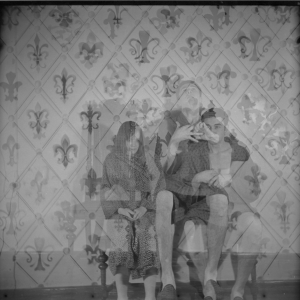
Tuesday Sep 24, 2024
Tuesday Sep 24, 2024
Katrīna Teivāne - Latvijas Nacionālās bibliotēkas Mākslas un mūzikas centra vadītāja, PhD.
Māra Traumane - Latvijas Mākslas akadēmijas Laikmetīgās mākslas dizaina un arhitektūras institūta pētniece, Mg. art.
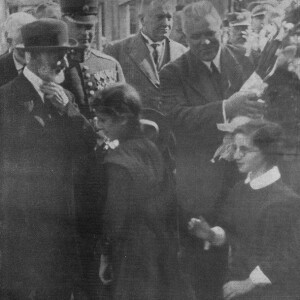
Tuesday Sep 10, 2024
Tuesday Sep 10, 2024
Discussion And Q&A, Moderator – Ilya Lensky, Director of Museum ‘Jews in Latvia’.
Ilja Ļenskis ir muzeja “Ebreji Latvijā” direktors, Starptautiskās muzeju padomes–Latvija (ICOM Latvia) valdes loceklis un Starptautiskās Holokausta alianses (IHRA) Latvijas delegācijas vadītājs. I. Ļenskis absolvēja LU Vēstures un filozofijas fakultāti. Viņa pētnieciskās intereses saistās ar Latvijas ebreju vēsturi, jo īpaši – apgaismības periodu un ebreju kopienas modernizāciju, kā arī Holokausta piemiņai veltītiem jautājumiem. Viņš ir vairāku grāmatu zinātniskais redaktors (“Neighborship Lost: Jews in Cultural Memory of Contemporary Latgale”, 2013/2018; “Holocaust Commemoration in Latvia in the Course of Time, 1945-2015”, 2017.), kā arī vairāku rakstu autors izdevumam Handbuch des Antisemitismus. Judenfeindschaft in Geschichte und Gegenwart un Latvijas Nacionālajai enciklopēdijai.
Tuesday Sep 10, 2024
Tuesday Sep 10, 2024
Raimonds Kaže, Journalist and researcher of Latvian sport history
Raimonds Kaže ir žurnālists un Latvijas sporta vēstures pētnieks. Viņš ir grāmatas “Futbols Smiltenē: no Meistera līdz Rullim” (2022) autors.
Tuesday Sep 10, 2024
Tuesday Sep 10, 2024
Dr. Lara Lempertienė, Head of the Judaica Research Center (Martynas Mažvydas National Library of Lithuania).
Dr. Lara Lempertiene (Lara Lempertienė) ir Martīna Mažvīda Lietuvas Nacionālās bibliotēkas (MMLNB) Jūdaikas pētniecības centra vadītāja un Jūdaikas kolekcijas kuratore. L. Lempertiene absolvēja Viļņas Universitāti un ir studējusi Jeruzalemes Ebreju universitātē, kā arī stažējusies Oksfordā. 2000. gadā viņa aizstāvēja doktora disertāciju “Rabīniskā ekseģēze tradicionālās ebreju izglītības kontekstā Lietuvas lielkņazistē”. Viņas pētnieciskās intereses saistītas ar Eiropas un Lietuvas ebreju vēsturi, bet pašreizējā galvenā pētniecības interese saistīta ar MMLNB manuskriptu kolekcijas pētniecību.
Tuesday Sep 10, 2024
Tuesday Sep 10, 2024
Līva Vē, Subject information expert (National Library of Latvia).
Līva Vē strādā LNB Nozaru Literatūras centrā un ir viena no Latvijas ebreju preses digitalizācijas projekta iniciatorēm. Viņa absolvēja Sorbonas Universitātes Filozofijas fakultāti. L. Vē interešu lokā ir Latvijas ebreju kopienas vēsture, kā arī Francijas agrīno Viduslaiku vēsture.
Tuesday Sep 10, 2024
Tuesday Sep 10, 2024
Eyal Miller, Project Manager of the Historical Jewish Press’ digital collection (National Library of Israel).
Ejals Millers (Eyal Miller) ir Izraēlas Nacionālās bibliotēkas digitālās bibliotēkas Historical Jewish Press projektu vadītājs.